MTHFR Diet: A Comprehensive Guide
Navigating the MTHFR diet involves understanding genetic impacts on health‚ focusing on folate-rich foods‚ and eliminating inflammatory triggers for optimal well-being.
A two-week guide can help manage MTHFR through targeted nutrition‚ alongside considering supplementation for enhanced support and symptom tracking.
Resources like books and online guides‚ such as those by Jeffrey Winzant‚ offer detailed plans‚ while functional medicine approaches prioritize anti-inflammatory eating.
Understanding the MTHFR Gene and its Impact
The MTHFR gene provides instructions for making the methylenetetrahydrofolate reductase enzyme‚ crucial for processing folate into its active form‚ 5-MTHF. This process‚ known as methylation‚ is vital for numerous bodily functions‚ including DNA synthesis‚ neurotransmitter production‚ and detoxification.
Genetic variations‚ or polymorphisms‚ in the MTHFR gene can reduce enzyme efficiency. These variations‚ like C677T and A1298C‚ impact how well the body converts folate‚ potentially leading to elevated homocysteine levels and increased inflammation. Understanding your specific genotype is key to tailoring a dietary approach.
Reduced enzyme activity doesn’t necessarily mean disease‚ but it can increase susceptibility to certain health issues. An MTHFR-supportive diet aims to bypass genetic bottlenecks by providing readily usable forms of folate and nutrients that support the methylation pathway‚ promoting overall health and well-being. This proactive approach is central to managing MTHFR’s impact.
The Role of Methylation

Methylation is a fundamental biochemical process involving the addition of a methyl group (CH3) to DNA‚ proteins‚ and other molecules. This process regulates gene expression‚ impacting everything from cell development to immune function and detoxification pathways. It’s essential for maintaining optimal health.
Folate and vitamin B12 are critical cofactors in the methylation cycle. They work together to convert homocysteine into methionine‚ a precursor to SAMe – the primary methyl donor in the body. Impaired MTHFR function can disrupt this cycle‚ leading to reduced methylation capacity.
Proper methylation supports numerous processes‚ including neurotransmitter synthesis (serotonin‚ dopamine)‚ immune regulation‚ and detoxification of heavy metals and toxins. When methylation is compromised‚ it can contribute to a wide range of health concerns‚ highlighting the importance of dietary and lifestyle interventions to support this vital pathway.
MTHFR Polymorphisms: C677T and A1298C
MTHFR gene variations‚ known as polymorphisms‚ are common genetic differences affecting the enzyme’s activity. The C677T and A1298C variants are the most studied. The C677T polymorphism reduces MTHFR enzyme function‚ particularly when homozygous (TT genotype)‚ impacting folate metabolism.
Individuals with the TT genotype may have difficulty converting folate into its active form‚ 5-MTHF‚ potentially leading to elevated homocysteine levels. The A1298C variant generally has a milder effect on enzyme activity‚ often requiring the presence of C677T to significantly impact function.
Genetic testing can identify these polymorphisms‚ guiding personalized dietary strategies. Understanding your genotype allows for tailored folate intake and supplementation to support optimal methylation. A randomized trial suggests benefits from a 191 μg/day folate diet in genotypes dependent on MTHFR 677C to T.

Dietary Strategies for MTHFR Support
Prioritize folate-rich foods and optimize intake based on genotype‚ alongside incorporating B12‚ choline‚ and betaine to support methylation processes for improved health.
Focus on Folate-Rich Foods
Folate is crucial for individuals with MTHFR polymorphisms‚ as it directly supports the methylation process. However‚ it’s important to distinguish between folate and folic acid. Folate‚ the naturally occurring form‚ is found abundantly in various foods and is generally better utilized by those with MTHFR variations.
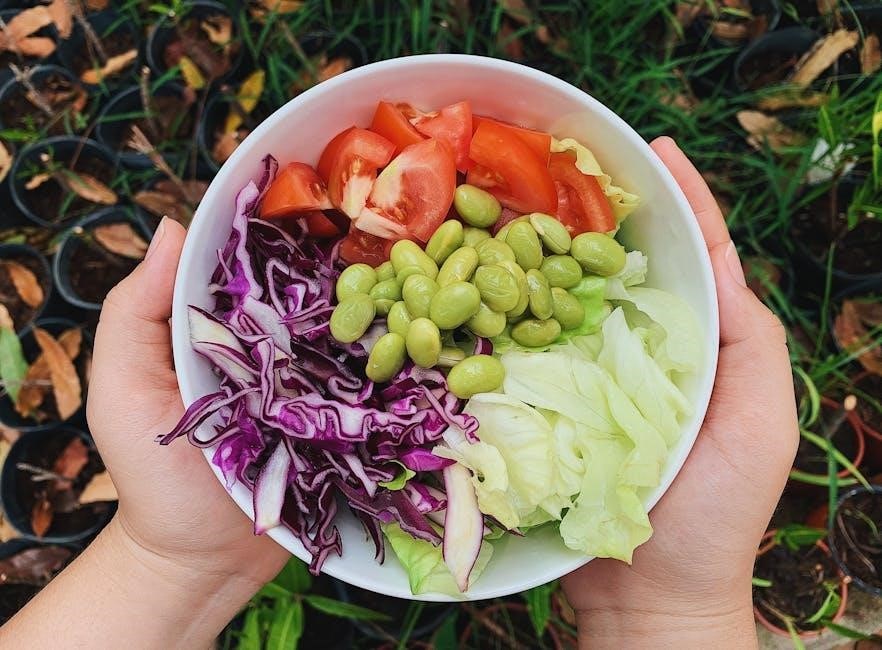
Excellent sources of folate include dark leafy green vegetables like spinach‚ kale‚ and romaine lettuce. Asparagus‚ broccoli‚ and Brussels sprouts are also fantastic choices. Furthermore‚ citrus fruits‚ beets‚ beans‚ lentils‚ and avocados contribute significantly to folate intake.
Aiming for a diet rich in these foods can help bypass some of the enzymatic blockages caused by MTHFR mutations. A study highlighted that a 191 μg/day diet rich in folate showed the best results in inflammatory parameters and homocysteine values in MTHFR C677T dependent genotypes.
Prioritizing whole‚ unprocessed foods ensures you’re getting folate in its most bioavailable form‚ maximizing its benefits for methylation and overall health. Remember to incorporate a variety of these folate-rich options into your daily meals.
Optimizing Folate Intake Based on Genotype
Understanding your specific MTHFR genotype – whether it’s C677T‚ A1298C‚ or a combination – is vital for tailoring folate intake. Individuals with the C677T polymorphism‚ particularly those with the TT genotype‚ may have a reduced ability to convert folic acid into its active form‚ 5-MTHF.
Therefore‚ prioritizing natural folate sources is paramount. A randomized trial indicated that the most significant improvements in inflammatory markers and homocysteine levels occurred with a 191 μg/day folate-rich diet specifically in those with MTHFR 677C>T dependent genotypes.
Consider supplementing with 5-MTHF directly‚ bypassing the need for enzymatic conversion. This is especially important for TT genotypes. However‚ dosage should be determined in consultation with a healthcare professional.
Those with the A1298C polymorphism generally have a less severe impact on folate metabolism‚ but still benefit from a folate-rich diet and may consider 5-MTHF supplementation if needed. Personalized approaches‚ guided by genetic testing and professional advice‚ are key.
The Importance of Vitamin B12
Vitamin B12 plays a crucial‚ often underestimated‚ role in the methylation cycle‚ working synergistically with folate and choline. Individuals with MTHFR polymorphisms can sometimes experience B12 deficiencies‚ exacerbating methylation issues and impacting neurological function.
B12 is essential for converting homocysteine back into methionine‚ a vital step in the methylation process. Impaired methylation can lead to elevated homocysteine levels‚ linked to various health concerns. Therefore‚ ensuring adequate B12 intake is paramount.
Consider the form of B12 supplementation; methylcobalamin is often preferred over cyanocobalamin‚ as it requires less conversion and is more readily utilized by the body. Regular B12 level testing is recommended‚ especially for those following an MTHFR diet.
A comprehensive B vitamin complex‚ including B12‚ folate (as 5-MTHF)‚ and other B vitamins‚ can provide optimal support for methylation pathways and overall well-being. Prioritize whole food sources of B12‚ like animal products‚ when possible.
Choline Sources for Methylation
Choline is a vital nutrient often overlooked in discussions about the MTHFR gene‚ yet it’s fundamentally important for methylation. It serves as a precursor to betaine (trimethylglycine)‚ another key methyl donor‚ supporting optimal methylation processes within the body.
Adequate choline intake helps maintain cell structure‚ nerve function‚ and detoxification pathways. Individuals with MTHFR variations may benefit from increased choline consumption to support efficient methylation‚ particularly when folate levels are optimized.
Excellent dietary sources of choline include egg yolks‚ beef liver‚ salmon‚ and soybeans (though soy intake should be minimized for some on an MTHFR diet). Smaller amounts are found in chicken‚ fish‚ and certain vegetables like broccoli and Brussels sprouts.
Consider choline supplementation if dietary intake is insufficient‚ but consult with a healthcare professional to determine the appropriate dosage. Prioritizing choline-rich foods alongside a balanced MTHFR diet can significantly enhance methylation capacity.
Betaine (Trimethylglycine) and its Benefits
Betaine‚ also known as trimethylglycine (TMG)‚ is a naturally occurring compound with significant benefits for individuals navigating the complexities of the MTHFR gene. It functions as an osmoprotectant and a direct methyl donor‚ stepping in to assist when methylation pathways are compromised.

For those with MTHFR polymorphisms‚ particularly the C677T variant‚ betaine can help lower homocysteine levels‚ a common issue stemming from impaired folate metabolism. Elevated homocysteine is linked to various health concerns‚ making its reduction crucial.
Dietary sources of betaine include beets (hence the name!)‚ spinach‚ and wheat bran‚ though supplementation is often necessary to achieve therapeutic doses. Supplementation should be approached cautiously and under professional guidance.
Betaine supports liver health and detoxification processes‚ further enhancing its value within an MTHFR-focused dietary strategy. It’s a valuable tool for optimizing methylation and overall well-being.

Foods to Avoid on an MTHFR Diet
Minimizing inflammation is key; avoid gluten‚ grains‚ conventional dairy‚ sugars‚ processed foods‚ soy‚ and additives to support methylation and overall health.
Eliminating Inflammatory Foods
For individuals with MTHFR polymorphisms‚ particularly the C677T variant‚ reducing systemic inflammation is paramount. An anti-inflammatory diet forms the cornerstone of managing methylation deficiencies and supporting optimal enzyme function. This begins with a conscious effort to identify and eliminate foods known to trigger inflammatory responses within the body.
Common culprits include many grains – especially those containing gluten – as they can contribute to gut permeability and immune activation. Conventional dairy products‚ often containing A1 casein‚ are also frequently problematic. The consumption of refined sugars and heavily processed foods should be drastically reduced‚ as these provide little nutritional value and actively promote inflammation.
Furthermore‚ minimizing exposure to soy products and various food additives is crucial. Soy contains phytoestrogens that can disrupt hormonal balance‚ while artificial colors‚ flavors‚ and preservatives can exacerbate inflammatory pathways. Prioritizing whole‚ unprocessed foods is essential for mitigating inflammation and supporting healthy methylation processes.
Gluten and Grain Restriction
A significant component of the MTHFR diet involves careful consideration of gluten and overall grain intake. Many individuals with MTHFR mutations experience heightened sensitivity to gluten‚ a protein found in wheat‚ barley‚ and rye. This sensitivity can manifest as increased inflammation‚ impacting methylation processes and exacerbating existing symptoms.
Restricting gluten isn’t simply about avoiding celiac disease; it’s about minimizing a potential trigger for immune response and gut inflammation. Beyond gluten‚ limiting all grains – even those considered “healthier” like brown rice – can be beneficial. Grains often contribute to blood sugar imbalances and can contain compounds that interfere with nutrient absorption.
Focusing on non-grain carbohydrates like sweet potatoes‚ squash‚ and root vegetables provides essential energy without the inflammatory potential. Experimenting with grain-free alternatives‚ such as cauliflower rice or almond flour‚ can help maintain dietary variety while adhering to the principles of an MTHFR-supportive diet. Prioritizing nutrient density is key.
Dairy and MTHFR: Potential Issues
Dairy consumption presents a complex consideration within the MTHFR diet‚ often requiring individual assessment. Conventional dairy products‚ particularly those from A2 cows‚ can be inflammatory for many‚ potentially hindering methylation pathways and worsening symptoms associated with MTHFR polymorphisms.
The proteins casein and whey found in dairy can trigger immune responses in sensitive individuals‚ contributing to gut inflammation and systemic discomfort. Lactose intolerance‚ common even without MTHFR mutations‚ can further exacerbate digestive issues.
An elimination trial – removing all dairy for a period and then reintroducing it – is often recommended to determine individual tolerance. If dairy is reintroduced‚ opting for organic‚ grass-fed‚ and raw (if legally permissible and sourced safely) options may be better tolerated. Alternatives like coconut milk‚ almond milk‚ or cashew yogurt can provide calcium and other nutrients without the potential inflammatory burden.
Sugar and Processed Foods: A Detrimental Combination
Sugar and processed foods are significant antagonists to optimal health‚ especially for individuals navigating the MTHFR diet. These items contribute heavily to systemic inflammation‚ directly opposing the goals of supporting methylation and reducing oxidative stress.
High sugar intake disrupts gut microbiome balance‚ promoting the growth of harmful bacteria and increasing intestinal permeability – often referred to as “leaky gut.” Processed foods‚ laden with artificial additives‚ trans fats‚ and refined carbohydrates‚ further exacerbate this inflammatory cascade.
These dietary factors can overwhelm the body’s detoxification pathways‚ hindering the efficient conversion of folate and impacting overall methylation capacity. Eliminating or drastically reducing sugar and processed foods is a foundational step in an anti-inflammatory MTHFR diet. Prioritizing whole‚ unprocessed foods provides the necessary nutrients for supporting genetic expression and promoting well-being.
Soy and Food Additives: Minimizing Exposure
Minimizing exposure to soy and various food additives is crucial when following an MTHFR diet‚ as these can interfere with methylation processes and exacerbate inflammation. Soy contains phytoestrogens‚ which can disrupt hormonal balance and potentially hinder folate metabolism.
Furthermore‚ many processed soy products are genetically modified‚ introducing additional concerns regarding gut health and overall well-being. Food additives‚ including artificial colors‚ flavors‚ and preservatives‚ place an extra burden on the body’s detoxification systems‚ potentially overwhelming the already compromised methylation pathways.
These additives can also trigger inflammatory responses and contribute to gut dysbiosis. Opting for organic‚ whole foods and carefully scrutinizing ingredient lists are essential strategies for reducing exposure. A focus on fresh‚ unprocessed options supports optimal enzyme function and promotes a healthier internal environment.

Sample MTHFR Diet Meal Plan (2-Week Guide)
A structured two-week plan introduces anti-inflammatory foods‚ gradually expanding choices while eliminating gluten‚ dairy‚ and processed sugars for optimal MTHFR support.
The initial week focuses on foundational changes‚ prioritizing a strict elimination of common inflammatory triggers. Begin by removing all gluten-containing grains – wheat‚ barley‚ and rye – alongside conventional dairy products. This includes milk‚ cheese‚ and yogurt‚ as sensitivities are common in individuals with MTHFR polymorphisms.
Sugar and processed foods are completely off-limits; this means avoiding refined sugars‚ sugary drinks‚ packaged snacks‚ and fast food. Instead‚ concentrate on whole‚ unprocessed foods. Incorporate plenty of folate-rich vegetables like leafy greens (spinach‚ kale‚ romaine lettuce)‚ broccoli‚ and asparagus.
Lean protein sources such as fish‚ poultry‚ and beans should be staples. Healthy fats from avocados‚ olive oil‚ and nuts are also encouraged. Hydration is key – drink plenty of water throughout the day. This week is about establishing a baseline and observing how your body responds to these initial dietary shifts.
Keep a food journal to track your intake and any associated symptoms‚ such as digestive issues‚ fatigue‚ or mood changes. This will provide valuable insights as you progress.
Week 2: Expanding Food Choices
Building on Week 1’s foundation‚ this week introduces a slightly broader range of foods while maintaining the core principles of the MTHFR diet. Carefully reintroduce certain foods‚ one at a time‚ to assess tolerance. Consider incorporating quinoa and brown rice as potential grain alternatives‚ observing for any adverse reactions.
Experiment with dairy-free alternatives like almond milk‚ coconut yogurt‚ or cashew cheese. Focus on high-quality protein sources‚ including wild-caught salmon and organic poultry. Continue prioritizing folate-rich vegetables and add colorful fruits like berries and oranges in moderation.
Pay close attention to your body’s response to each new food. Continue tracking symptoms in your food journal. If a food causes bloating‚ fatigue‚ or other negative effects‚ eliminate it again. This week is about personalization – discovering which foods support your unique MTHFR genotype.
Explore choline-rich foods like eggs and beef liver (if tolerated) to further support methylation processes. Remember‚ consistency and mindful eating are crucial for success.
Recipe Ideas for MTHFR Support
Kickstart your culinary journey with these MTHFR-friendly recipes! Begin with a Salmon with Roasted Asparagus – rich in folate and omega-3s. Next‚ try a Chicken and Vegetable Stir-fry using coconut aminos instead of soy sauce‚ packed with colorful‚ nutrient-dense veggies.
For breakfast‚ enjoy a Berry Smoothie with almond milk‚ spinach‚ and a tablespoon of chia seeds. A Lentil Soup provides plant-based protein and folate. Consider a Sweet Potato and Turkey Hash for a savory‚ satisfying meal.
Snack ideas include a handful of walnuts‚ a small apple with almond butter‚ or a hard-boiled egg. Remember to prioritize fresh‚ whole ingredients and avoid processed foods. These recipes emphasize anti-inflammatory components and support optimal methylation.
Experiment with herbs and spices like turmeric and ginger to further enhance the nutritional benefits and flavor profiles of your meals;

Supplements to Consider (Alongside Diet)
Alongside a tailored diet‚ consider supplements like folate (not folic acid)‚ a B-vitamin complex‚ magnesium‚ and vitamin D to support methylation processes effectively.
Folate vs. Folic Acid: Choosing the Right Form
Understanding the difference between folate and folic acid is crucial for individuals with MTHFR polymorphisms‚ particularly the C677T variant. Folic acid is the synthetic form of vitamin B9‚ commonly found in fortified foods and supplements. However‚ it requires conversion to 5-methyltetrahydrofolate (5-MTHF) – the active form the body can utilize – by the MTHFR enzyme.
Individuals with MTHFR gene variations may have reduced ability to efficiently convert folic acid‚ leading to a buildup of unmetabolized folic acid in the bloodstream. This can potentially interfere with natural folate pathways and may even have adverse health effects.
Folate‚ on the other hand‚ is the naturally occurring form of vitamin B9 found in foods like leafy green vegetables‚ beans‚ and citrus fruits. More importantly‚ 5-MTHF is a readily usable form that bypasses the need for MTHFR enzyme conversion. Therefore‚ supplementing with 5-MTHF is often recommended for those with MTHFR mutations to ensure optimal folate levels and support methylation processes without relying on a potentially compromised enzymatic pathway.
Choosing the right form can significantly impact the effectiveness of supplementation and overall health outcomes.
B Vitamin Complex for Optimal Support
An MTHFR mutation can impact the entire B vitamin family‚ not just folate. Methylation‚ a critical process affected by MTHFR‚ relies on several B vitamins working synergistically. Therefore‚ a comprehensive B vitamin complex is often recommended alongside folate supplementation.
Vitamin B12 is particularly important‚ as it collaborates with folate in methylation pathways. Deficiencies in B12 can exacerbate symptoms associated with MTHFR mutations. Other crucial B vitamins include B6 (pyridoxine)‚ riboflavin (B2)‚ niacin (B3)‚ and pantothenic acid (B5)‚ all playing roles in energy production and neurological function.

Choosing a high-quality B vitamin complex is essential. Look for forms that are readily bioavailable‚ such as methylcobalamin (B12) and pyridoxal-5-phosphate (P5P – B6). Avoid complexes containing folic acid‚ opting instead for those with 5-MTHF.
Supporting the entire B vitamin spectrum ensures optimal methylation and overall health for individuals navigating the complexities of MTHFR gene variations.
Magnesium and its Role in Methylation
Magnesium is a vital‚ yet often overlooked‚ cofactor in the methylation process. It’s essential for over 300 enzymatic reactions within the body‚ including those directly involved in converting homocysteine to methionine – a key step impacted by MTHFR mutations.
Magnesium supports the enzyme MTR (methionine synthase)‚ which requires magnesium to function effectively. Without sufficient magnesium‚ this conversion slows down‚ potentially leading to elevated homocysteine levels‚ even with adequate folate intake.
Symptoms of magnesium deficiency can overlap with MTHFR-related issues‚ such as fatigue‚ muscle cramps‚ and neurological symptoms‚ making it crucial to address potential deficiencies.
Dietary sources of magnesium include leafy green vegetables‚ nuts‚ seeds‚ and dark chocolate. However‚ supplementation may be necessary to achieve optimal levels‚ particularly for individuals with MTHFR mutations. Magnesium glycinate is often well-tolerated and readily absorbed.
Vitamin D and MTHFR
The connection between Vitamin D and MTHFR polymorphisms is increasingly recognized‚ though research is ongoing. Vitamin D acts as a hormone‚ influencing gene expression‚ and may play a role in modulating the impact of MTHFR mutations on methylation processes.
Vitamin D deficiency is common‚ and individuals with MTHFR mutations may be more susceptible due to impaired nutrient metabolism. Low Vitamin D levels can exacerbate inflammation and contribute to symptoms associated with MTHFR‚ such as mood disorders and immune dysfunction.
Vitamin D supports optimal immune function and reduces inflammation‚ both crucial considerations for those managing MTHFR. It also interacts with folate metabolism‚ potentially influencing the effectiveness of folate supplementation.
Optimal Vitamin D levels can be achieved through sunlight exposure‚ dietary sources (fatty fish‚ egg yolks)‚ and supplementation. Testing Vitamin D levels is recommended to determine appropriate dosage‚ typically between 2000-5000 IU daily.

Monitoring and Adjusting Your MTHFR Diet
Regularly track symptoms and well-being while working with a healthcare professional to personalize your MTHFR diet for optimal results and adjustments.
Tracking Symptoms and Well-being
Consistent self-monitoring is crucial when implementing an MTHFR diet. Keep a detailed journal noting any changes – positive or negative – in your physical and mental health. Record symptoms like fatigue‚ headaches‚ digestive issues‚ mood swings‚ and cognitive function. Be specific about the timing of symptom occurrence in relation to dietary changes.
Utilize a symptom tracker or app to quantify your experience. Rate symptom severity on a scale (e.g.‚ 1-10) to identify trends. Pay attention to subtle shifts‚ as these can indicate the diet’s impact. Consider tracking inflammatory markers‚ if possible‚ through lab testing with your healthcare provider.

Beyond symptom tracking‚ assess overall well-being. Note changes in energy levels‚ sleep quality‚ and stress resilience. A holistic approach acknowledges the interconnectedness of physical and emotional health. Regularly review your journal entries to identify patterns and inform dietary adjustments. This proactive approach empowers you to fine-tune your MTHFR diet for personalized success.
Working with a Healthcare Professional
Embarking on an MTHFR diet is best done under the guidance of a qualified healthcare professional. A functional medicine doctor‚ registered dietitian‚ or genetic counselor can provide personalized recommendations based on your specific genotype (C677T‚ A1298C) and health status.
Professional assessment can help determine appropriate folate and B vitamin supplementation‚ avoiding self-treatment which can be detrimental. They can interpret genetic testing results and assess nutrient deficiencies. Regular check-ins allow for monitoring of homocysteine levels‚ TNF-α‚ and interleukin levels‚ as dietary interventions aim to positively influence these markers.
Collaboration ensures a safe and effective approach. Your healthcare provider can help you navigate potential challenges‚ address underlying health conditions‚ and tailor the diet to your individual needs. They can also advise on the appropriate timing of lab tests and adjustments to your supplementation regimen‚ maximizing the benefits of your MTHFR diet.
The Impact of Diet on TNF-α and Interleukin Levels
Research indicates a strong connection between dietary folate intake and inflammatory markers like TNF-α and interleukins‚ particularly in individuals with the MTHFR C677T polymorphism. A randomized trial demonstrated that food intervention with folate can reduce these levels in overweight and obese women carrying this genetic variant.
Optimizing folate consumption‚ aiming for approximately 191 μg/day‚ appears to be most effective in genotypes dependent on MTHFR function‚ potentially increasing circulating folic acid. An anti-inflammatory diet‚ removing grains‚ gluten‚ conventional dairy‚ sugars‚ processed foods‚ and soy‚ is crucial for managing methylation deficiencies.
Reducing inflammation through dietary changes can positively influence the immune response and overall health. By prioritizing folate-rich foods and eliminating inflammatory triggers‚ individuals with MTHFR variations can support healthy TNF-α and interleukin levels‚ contributing to improved well-being and reduced disease risk.