
Whittling patterns PDFs offer ready‑to‑print templates that simplify carving. They include step‑by‑step guides, illustrations, and measurements, making it easier for beginners to tackle projects such as gnomes, spoons, and birds. Free PDFs available from sites like WoodCarvingIllustrated.com and CarvingIsFun!
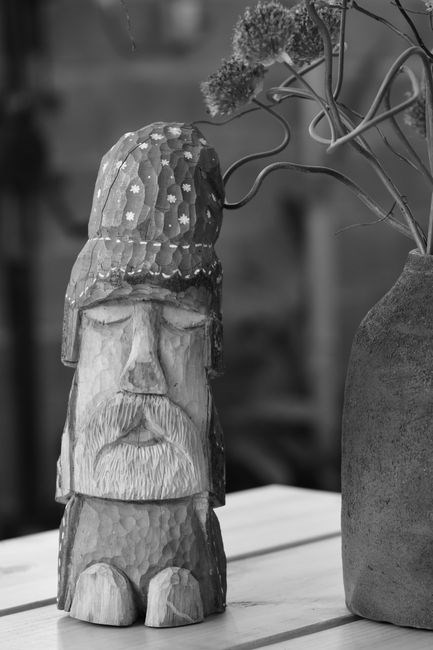
What Is a Whittling Pattern PDF?
Whittling pattern PDFs are digital documents that provide printable templates for carving projects. They contain line drawings, dimensional data, and step‑by‑step instructions, guiding a woodworker from the initial block to the finished piece. The format is ideal for beginners because it eliminates the need to sketch or estimate measurements by hand. A well‑designed PDF includes a clear outline, suggested knife cuts, and notes on where to apply pressure or reverse a cut. Free resources from sites like WoodCarvingIllustrated.com or CarvingIsFun offer patterns ranging from simple spoons to complex figurines such as gnomes, birds, and decorative spoons. Portable files can be opened on a computer, tablet, or printed onto the wood block, and the PDF format allows easy annotation. By using a whittling pattern PDF, woodworkers can focus on carving technique rather than design work, ensuring a smoother learning curve and consistent results!
When downloading a pattern, verify that the PDF is compatible with your operating system; most devices support Adobe Reader or built‑in viewers. Some PDFs embed fonts and vector graphics, keeping lines crisp when zoomed or printed at different scales. Advanced users may import the PDF into CAD or CNC software to create cutting paths for laser cutters or routers, bridging hand carving with modern fabrication. For educators, the PDF’s ability to be duplicated without degradation makes it a cost‑effective teaching tool. Students can print multiple copies of the same template for group projects or practice sessions. Digital PDFs also allow quick updates; a new version can be distributed instantly, keeping the community engaged with fresh designs.
Benefits of Using PDFs for Whittling Projects
PDFs provide a universal format that works across operating systems, eliminating compatibility headaches. The vector graphics keep lines sharp at any zoom level, ensuring that the carving outline remains accurate when printed or displayed on a screen. Because PDFs can be printed at full scale or scaled down, users can choose the size that best fits their block, wood type, or workspace. The file’s non‑editable nature protects the original design from accidental changes, while still allowing annotations or notes to be added in a separate layer. This duality is especially useful for instructors who want to preserve a master template but let students experiment with modifications. PDFs are lightweight and free to distribute, making them ideal for community sharing and open‑source projects. A single PDF can contain multiple patterns, each with its own set of instructions, making it a convenient one‑stop resource for community sharing and open‑source projects. The format also supports hyperlinks, so a pattern can link directly to related tutorials, videos, or forums, creating an integrated learning ecosystem. Additionally, because PDFs are widely supported by both desktop and mobile devices, a whittler can access the same pattern on a laptop at home or on the go, ensuring continuity in the creative process. Finally, the ability to print the pattern onto the wood block saves time and reduces the risk of misalign.

Free PDF Resources for Beginners
Free PDF patterns for beginners are available from WoodCarvingIllustrated.com and CarvingIsFun. They include 50 ready‑to‑print designs, step‑by‑step guides, and measurements for gnomes, spoons, and birds, making the first whittling projects simple and accessible. Download them now and start carving! today.!!!
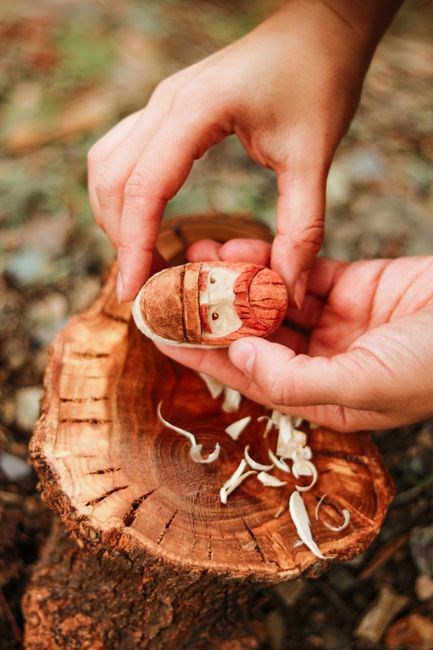
Downloadable Patterns from WoodCarvingIllustrated.com

WoodCarvingIllustrated.com offers a comprehensive collection of free PDF patterns designed for both novice and experienced whittlers. The site hosts a standout 50‑pattern bundle, released in July 2021, which includes a diverse array of whimsical and functional designs. Among the featured projects are a dragon kuksa, a charming gnome, a wizard, a mouse, a series of small men, a love spoon, a comfort bird, a wood spirit, Santa Claus, a curly spoon, a dala horse, a Christmas tree, a rabbit, a coffee scoop, and an axe. Each PDF is meticulously crafted with clear, step‑by‑step instructions, precise measurements, and illustrative diagrams that guide the user through the carving process from start to finish. The downloadable files are available in PDF format, ensuring compatibility with most devices and printing options. Users can simply click the download link, save the file, and print the pattern onto a suitable wood block, such as a 1x1x4 basswood piece, which is commonly recommended for beginners. The patterns are designed to be user‑friendly, with a focus on basic knife cuts that help new carvers build confidence and skill. Additionally, the site occasionally updates its library with new patterns and tutorials, encouraging continuous learning and skill development. By providing these resources at no cost, WoodCarvingIllustrated.com supports the whittling community and promotes the art of wood carving to a wider audience. Whether you’re carving for hobby, gifting, or exploring the tactile joy of wood, these PDFs provide clear guidance and inspire creativity!!
Printable Templates from CarvingIsFun
CarvingIsFun.com hosts a library of free printable templates for whittlers of all skill levels. The collection includes simple designs such as miniature gnomes, whimsical birds, functional spoons, and decorative scrollwork. Each template is a high‑resolution PDF, ensuring crisp lines and accurate dimensions when printed onto a chosen wood block. Users download the files, print on A4 or letter paper, and trace the outlines onto the wood surface. The templates feature beginner‑friendly measurements, often using a 1x1x4 basswood block as the base, a popular choice for its softness and uniform grain. CarvingIsFun encourages regular updates, urging visitors to return for new patterns and revisions. The site also hosts a supportive community forum where enthusiasts share progress photos, ask questions, and exchange carving tips. The accompanying YouTube channel provides visual tutorials that walk viewers through each step of the carving process, reinforcing the printed patterns with practical demonstrations. This combination of downloadable templates, community interaction, and instructional videos makes CarvingIsFun a valuable resource for anyone looking to expand their whittling repertoire with reliable, easy‑to‑follow designs.
When printing, users can scale the template to match the size of their wood block, using the PDF’s built‑in scaling options. The templates also include a “cut line” and a “detail line” to help differentiate between rough shaping and fine detailing. For those who prefer a more tactile approach, the site offers printable stencils that can be transferred onto wood using a lightbox or a simple tracing method. The community forum hosts weekly challenges where members upload finished pieces, fostering motivation and skill growth. CarvingIsFun’s commitment to free, high‑quality resources has earned it a reputation as a go‑to hub for whittling enthusiasts worldwide.
Because the PDFs are vector‑based, they can be resized without loss of quality, allowing users to experiment with different block sizes or to create larger, more elaborate projects. The site also provides a quick reference guide on selecting the right knife, choosing appropriate wood species, and maintaining safety while carving.

Popular Whittling Projects in PDF Format
PDF patterns showcase classic whittling projects: tiny gnomes, decorative spoons, whimsical birds, and charming Christmas trees. Each design offers step‑by‑step guidance, ready‑to‑print outlines, and measurement details, making carving approachable for beginners and seasoned artisans alike. Enjoy carving!!.
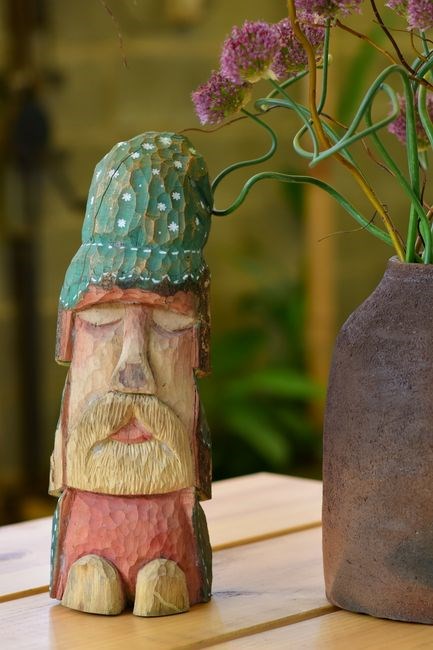
Mini Gnome and Small Figures
Mini gnomes, tiny wizards, and other small figures are popular whittling projects that showcase the charm of miniature detail. The PDF pattern for a gnome from WoodCarvingIllustrated.com offers a clear, step‑by‑step guide with measurements, suggested cuts, and a printable outline. The design features a rounded head, a pointed hat, and a cheerful expression that can be rendered in a single block of basswood or maple. The PDF also includes patterns for wizards, playful mice, love spoons, comfort birds, and other small‑figure motifs. Each pattern is beginner‑friendly providing enough detail for experienced carvers. The downloadable files are in PDF format, making them easy to print at home or in a workshop. By following the step‑by‑step instructions, you learn how to carve basic shapes, refine details, and finish the piece with a smooth, polished surface. Optional variations, adding a tiny sword to the wizard or a small flower to the gnome’s hat, allow customization. Because the PDFs are free, you can experiment with designs without cost and share the patterns with friends or hobbyists. The community around these PDFs often shares finished pieces, tips for finishing, and suggestions for customizing the designs, creating a learning environment that enhances the joy of whittling. These PDFs are updated regularly, so check the website for new releases and additional patterns that may be added over time. Feel free to experiment with woods, such as basswood, maple, or birch, to see how each grain affects the look. Try carving a bird or a boat to challenge your little skills and fun! you!
Decorative Spoon and Bird Designs
PDF patterns for decorative spoons and bird motifs are ideal for whittling enthusiasts seeking functional art. The downloadable “Curly Spoon” template from CarvingIsFun provides a full outline with measurements, allowing users to carve a smooth, ergonomic handle and a slightly curved spoon head. The bird designs, such as the “Comfort Bird” and “Love Spoon” patterns, feature gentle curves and realistic feather outlines. Each PDF includes step‑by‑step instructions, suggested knife cuts, and finishing tips. The patterns are available in PDF format, making them easy to print on standard paper or cardstock. By following the step‑by‑step guidance, beginners can learn how to carve a balanced spoon that feels comfortable in hand, while more experienced carvers can add subtle details such as a carved eye or a feathered tail. The bird patterns encourage practice of fine detail work, as the templates show where to carve the beak, wings, and feet. Users can experiment with different woods—basswood for beginners, maple for a richer grain, or birch for a bright finish—each affecting the final look. The PDFs also include optional variations, such as adding a small carved heart to the spoon or a tiny feather to the bird’s wing. Because the patterns are free, hobbyists can try multiple designs without cost and share their finished pieces on social media or in carving forums; The community around these PDFs often shares finishing techniques, such as oiling or varnishing, to enhance the natural beauty of the wood. These resources are updated regularly, so check CarvingIsFun for new patterns or revisions that improve the carving experience. By mastering these spoon and bird designs, you’ll build confidence in your whittling skills and create functional, decorative pieces that can be gifted or displayed in your workshop. The typical spoon pattern measures 6 inches in length and 2 inches in width, with a handle thickness of 0.5 inches. The bird pattern spans 4 inches tall and 3 inches wide, allowing for a natural stance. When carving, start with a broad bevel to remove bulk, then refine with a small chisel for detail. Safety first: always carve away from your body, keep your knife sharp, and use a carving glove if needed. The PDFs also include a printable template for a decorative spoon with a carved leaf motif, adding a botanical touch to the design. The bird patterns often include a small carved nest, encouraging creative storytelling in your carving. After carving, sand with progressively finer grits, then apply a food‑safe oil for a warm sheen. These patterns are part of a larger collection that includes 24 projects for a weekend, making them perfect for a quick, satisfying session.
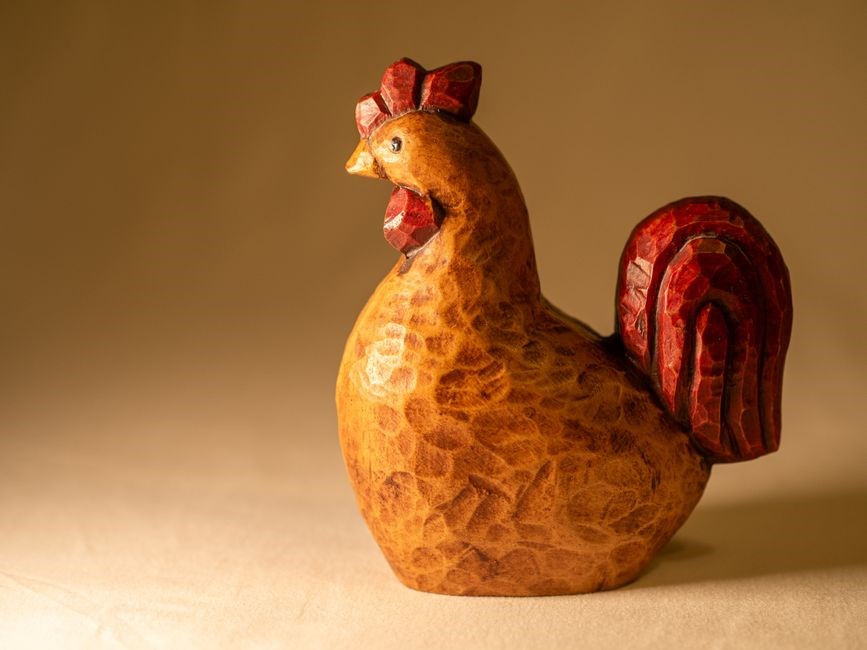
How to Use PDF Patterns for Whittling
PDF patterns guide carving steps, measurements, and knife cuts. Print the template, trace onto wood, and follow the numbered instructions. Use a sharp knife, start with broad cuts, then refine details. Finish with sanding and oiling for a smooth, natural look. Keep knife at 15° angle for clean cuts. Thank
Preparing Your Wood and Tools
Before cutting, inspect the wood for hidden knots or cracks that could cause the knife to slip. Mark the carving outline with a pencil or fine-tip marker, ensuring the lines are clear and the template fits snugly. Trim the block to a manageable size with a handsaw, leaving a margin of at least 1 inch around the design. Keep a small, flat file or sandpaper handy for smoothing rough edges after each pass. If you’re working in a workshop, set up a sturdy clamp to hold the wood securely, reducing vibration and improving precision. Light the area with a desk lamp or LED work light to eliminate shadows that could obscure details. Remember to check your knife’s condition; a dull blade slows progress. Sharpen it daily now with fine-grit sandpaper or a sharpening stone to keep the edge. Remember to check your knife’s condition; a dull blade slows progress andraises the risk of accidental cut. Sharpen it daily now with fine-grit sandpaper or a sharpening stone to keep the edge keen. Use a sturdy workbench with a non‑slip surface to keep the block steady. Keep a bottle of mineral oil or beeswax nearby to condition the wood after carving; this helps prevent cracking and gives a polished finish. Store the knife in a sheath to avoid accidental cuts, and keep a small, flat file handy for smoothing rough edges after each pass. Use sharp knife keep the blade at a 15° angle to the wood surface; this reduces the risk of slipping ensures clean cuts!
Step-by-Step Cutting Techniques
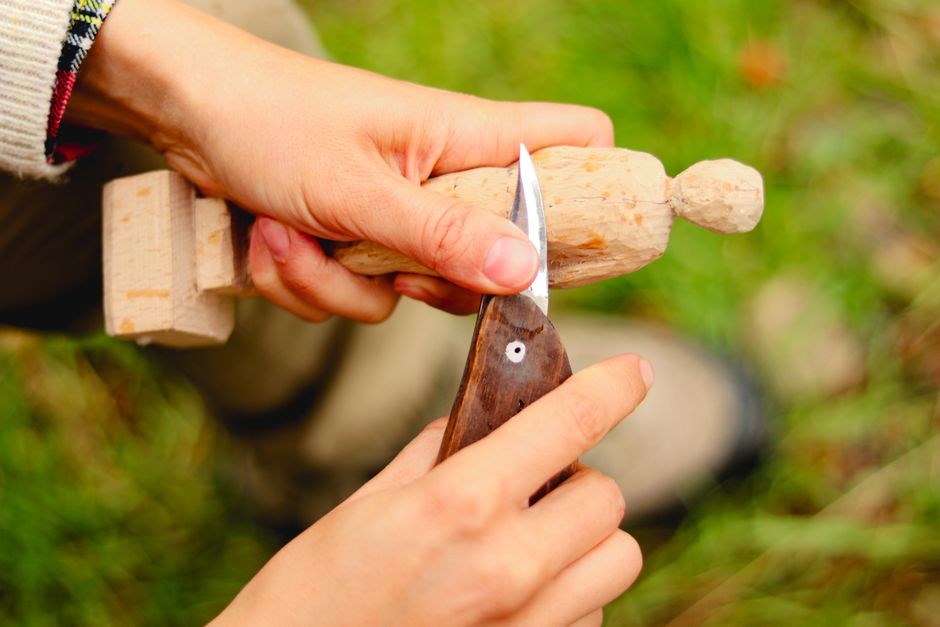
Begin by aligning the template with the wood block and tracing the outline with a fine‑tip marker. Hold the knife at a 15° angle, keeping the blade parallel to the surface, and start with a light, controlled stroke to remove small chips. Gradually deepen the cut, letting the blade’s edge follow the contour of the design. When you reach a corner, switch to a finer blade or a small chisel to clean the angles and avoid gouging. After completing one side, flip the block and repeat the process, ensuring symmetry and consistency across the piece. Between cuts, wipe the blade to remove wood shavings, preventing clogging and maintaining a clean edge. Use a sanding block after each major section to smooth transitions and eliminate any rough spots that might interfere with the next stroke. When carving finer details such as eyes, mouth, or decorative flourishes, switch to a smaller, sharper knife to increase precision and control. Keep the work area well lit; a bright desk lamp or LED work light eliminates shadows that can obscure fine lines. Maintain a steady hand by resting your forearm on the bench, and use a gentle, rhythmic motion to avoid sudden jerks that could damage the wood or the knife. Once the carving is complete, inspect the piece for any sharp edges or splinters, and sand them down with a fine‑grit sandpaper to ensure a smooth, safe finish. Finally, apply a light coat of mineral oil or beeswax to seal the wood, enhance its natural grain, and protect the surface from moisture and wear. This systematic, step‑by‑step approach ensures a clean, accurate carving that reflects the precision of the original PDF pattern!
Community and Learning Resources
Engage with forums, watch YouTube tutorials, and explore archives like the Internet Archive for free PDF downloads. Join groups, share progress, and learn advanced techniques from seasoned whittlers worldwide. Join live streams, Q&A sessions, and community challenges!
YouTube Tutorials and Channels
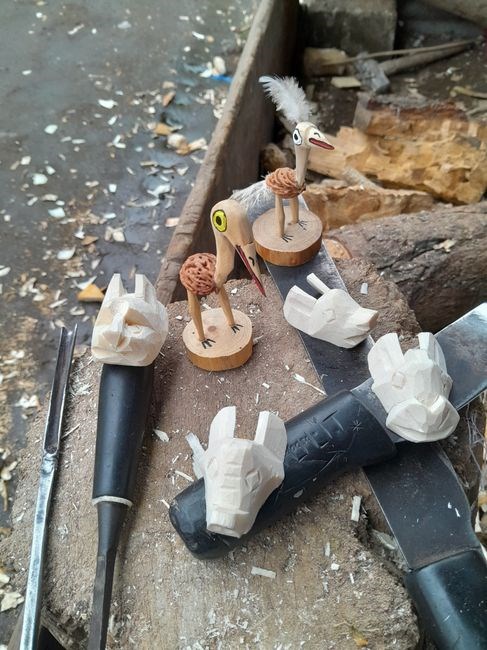
For hands‑on guidance, the YouTube community hosts a variety of whittling tutorials that pair PDF patterns with live demonstrations. One of the most popular channels is Schaaf Tools, whose “Tiny Gnomes” series walks viewers through basic knife cuts, from initial sketch to finished figure, using the PDF pattern from WoodCarvingIllustrated.com. Another valuable resource is the CarvingisFun channel, which offers step‑by‑step videos that align with the printable templates available on its website. These channels frequently update their playlists with seasonal projects—such as a Christmas tree or a love spoon—making it easy to match a PDF pattern to a current video. Viewers can also subscribe to community discussions in the comment sections, where seasoned whittlers share tips on tool selection, wood choice, and safety. By following along with these tutorials, beginners can translate the static PDF instructions into dynamic, visual learning, reducing the learning curve and boosting confidence in their carving skills.
Online Archives and Free Downloads
For hobbyists seeking a broad catalog of printable whittling templates, several digital libraries host extensive collections of PDF patterns. The Internet Archive’s “Wood Carving” section offers a curated set of instructional PDFs, including a 24‑project starter guide that features step‑by‑step diagrams and ready‑to‑print stencils. Another valuable repository is the Public Domain Review, where historical carving manuals from the early 20th century are digitized and freely downloadable as PDFs. The Free Pattern Library, maintained by a volunteer community, aggregates user‑submitted designs such as miniature gnomes, spoons, and decorative birds; each entry links directly to a PDF file that can be printed or opened in a PDF viewer. Additionally, the National Library of Australia hosts a collection of scanned carving books, many of which include printable templates. Users can search by keyword or author, and the interface provides a direct download button for each PDF. These archives not only preserve traditional carving knowledge but also give contemporary woodworkers instant access to a wide array of patterns without any cost. Furthermore, the Digital Public Library of America hosts a selection of digitized carving manuals from the 19th century, many of which include annotated diagrams and printable templates that can be directly imported into design software for precision carving. These resources collectively provide a comprehensive, free, and historically rich foundation for both novice carvers